Carpet and upholstery care programmes for offices
A tired traffic lane, a stained meeting-room chair or an odour in reception is what visitors notice first.
Why carpets come first
Daily vacuuming lifts surface dust. It does not lift the soil in the pile along traffic lanes.
That soil is what makes a carpet look grey, feel flat and hold odour. Our programme cleans those areas on a schedule, before anyone complains.
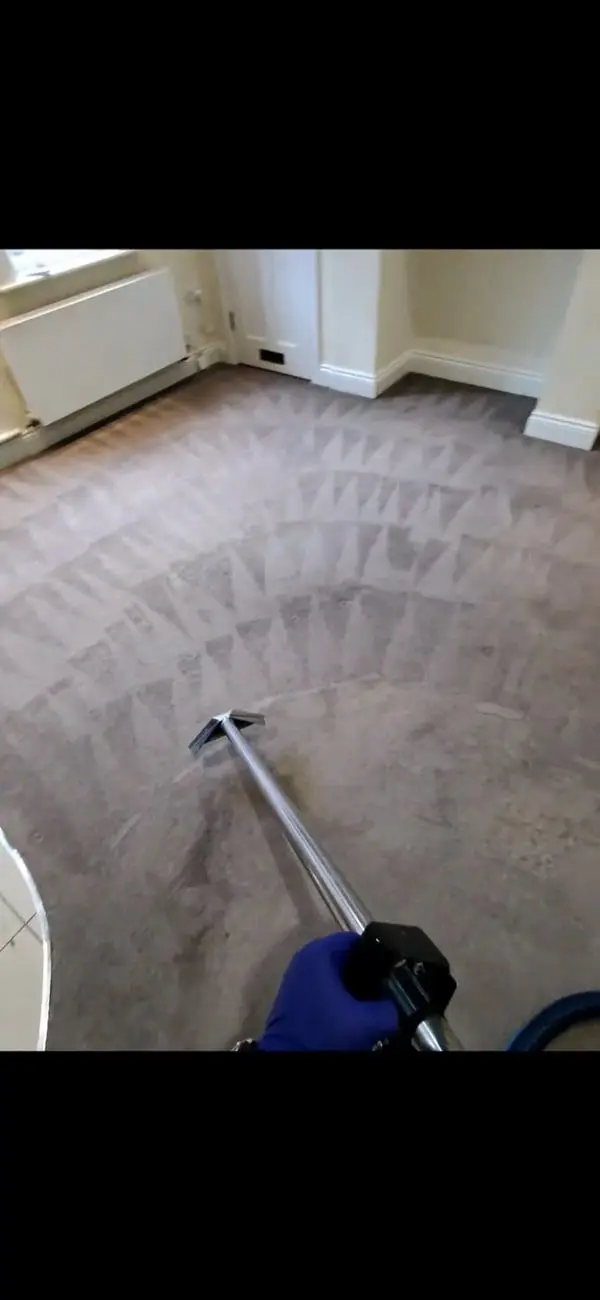
The 12-month programme
Six parts, scheduled from the condition notes at each visit.
- Quarterly traffic lanes
- Corridors, doorways and the walk from the lift, cleaned every quarter before they show.
- Annual full clean
- Every carpeted area once a year with heated extraction, furniture moved and replaced.
- Upholstery rotation
- Meeting-room chairs, reception seating and soft furnishings on a rotation agreed at the survey.
- Spot response
- A spill or stain is attended at the next out-of-hours slot after your call.
- Condition notes
- Each visit ends with a short note on carpet condition, so the next visit is planned.
- Out of hours
- All programme work happens when the office is empty, so the floor is dry by morning.
Heated extraction, in plain words
The method used on commercial carpet because it cleans the pile, not just the surface.
Hot cleaning solution is worked into the pile under pressure and drawn straight back out with the soil.
The machines live in our vans, so there is nothing to set up or store in your building. We check the fibre and test an unseen area first.
Before and after
Real jobs by our team, same angle before and after. Commercial references are available on request, with the client’s permission.
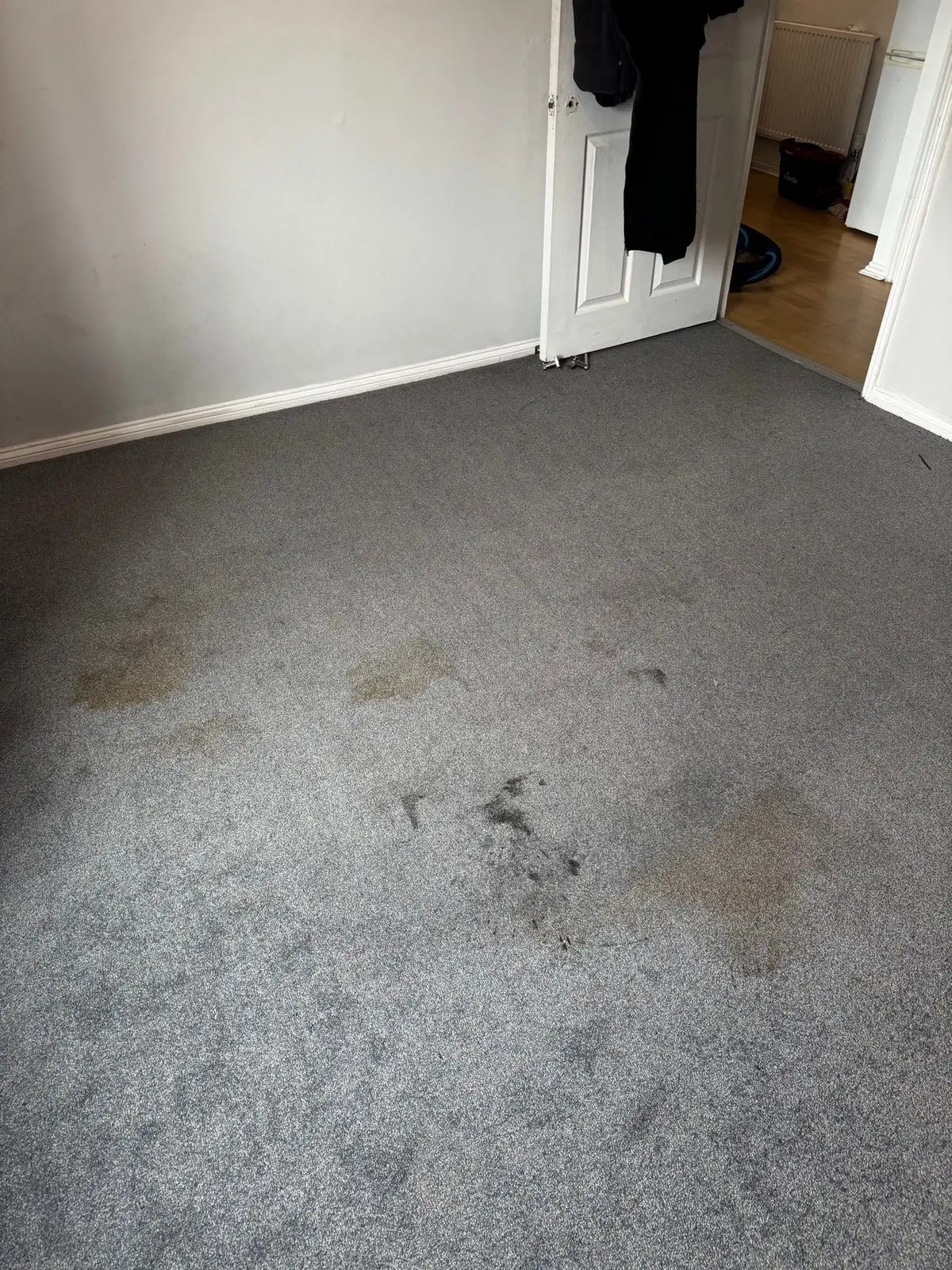 Before
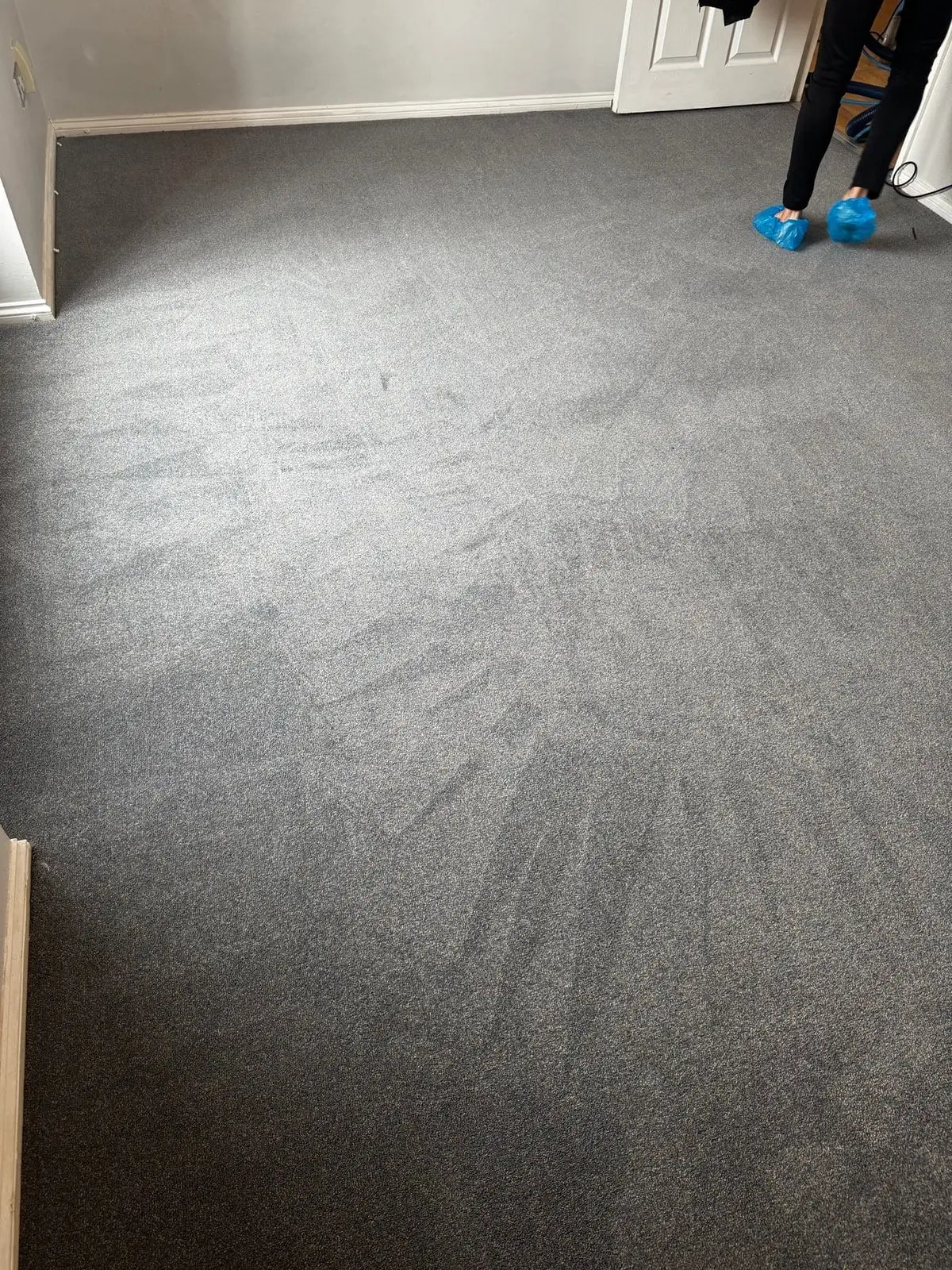 After
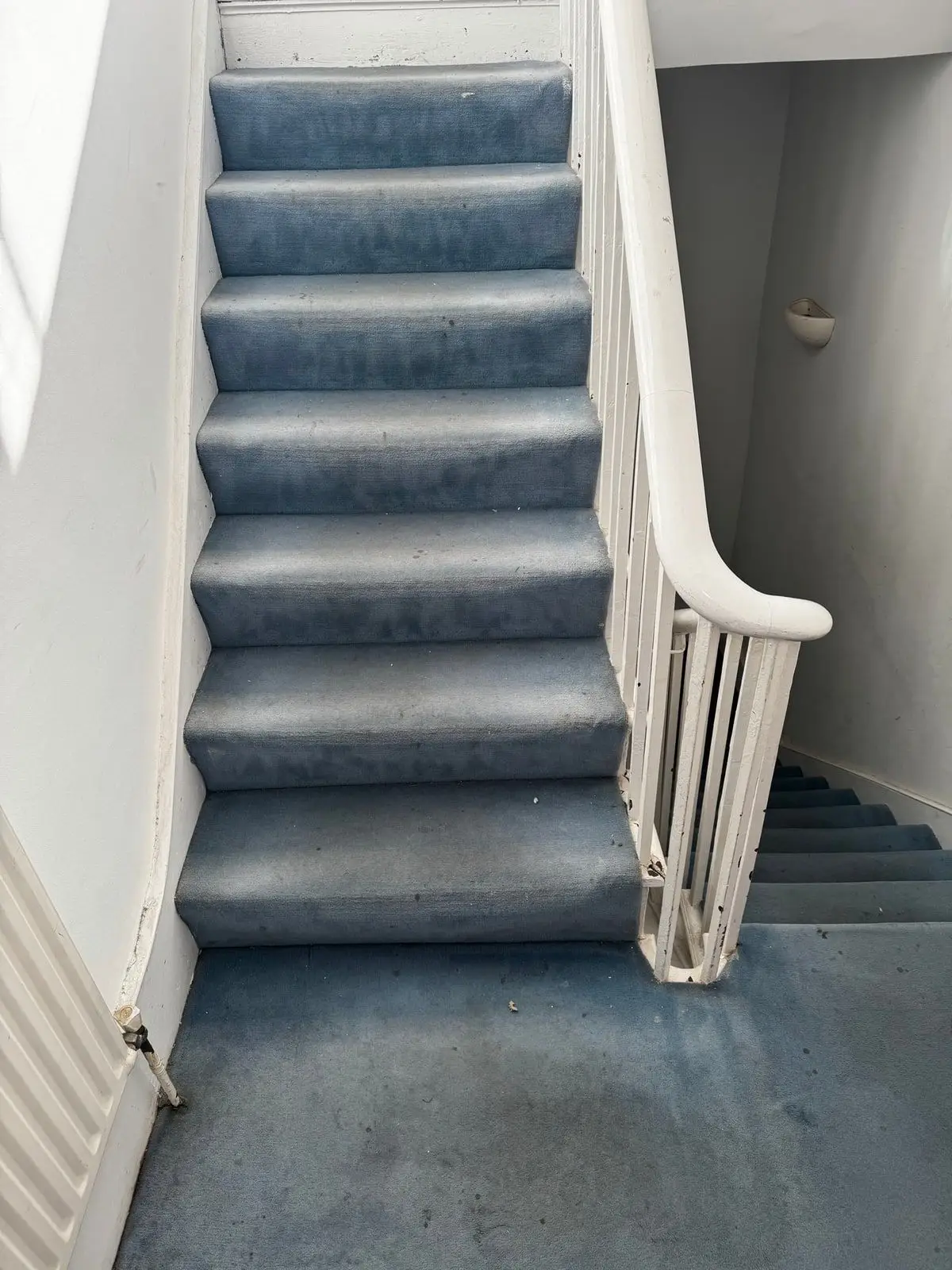 Before
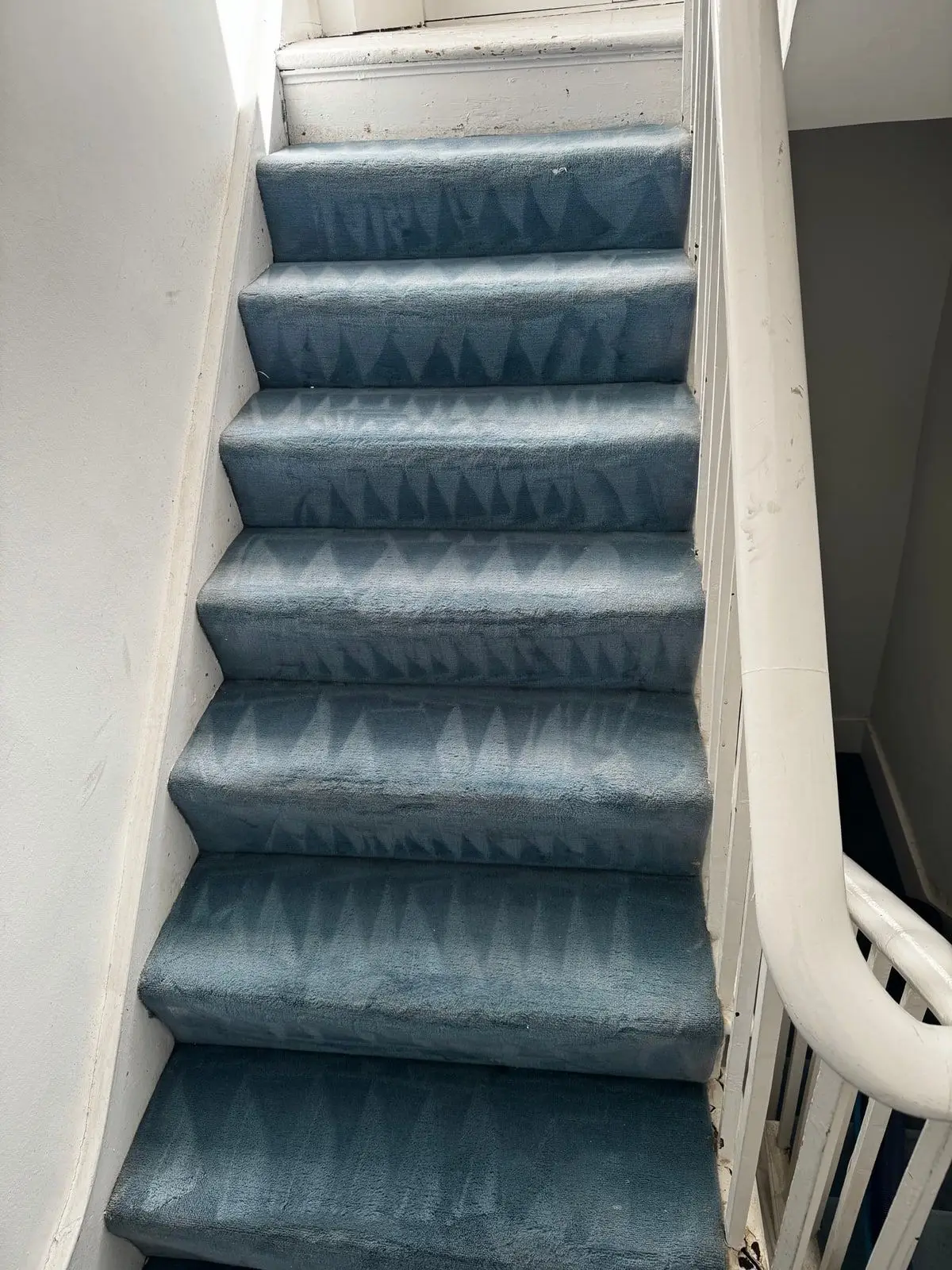 After
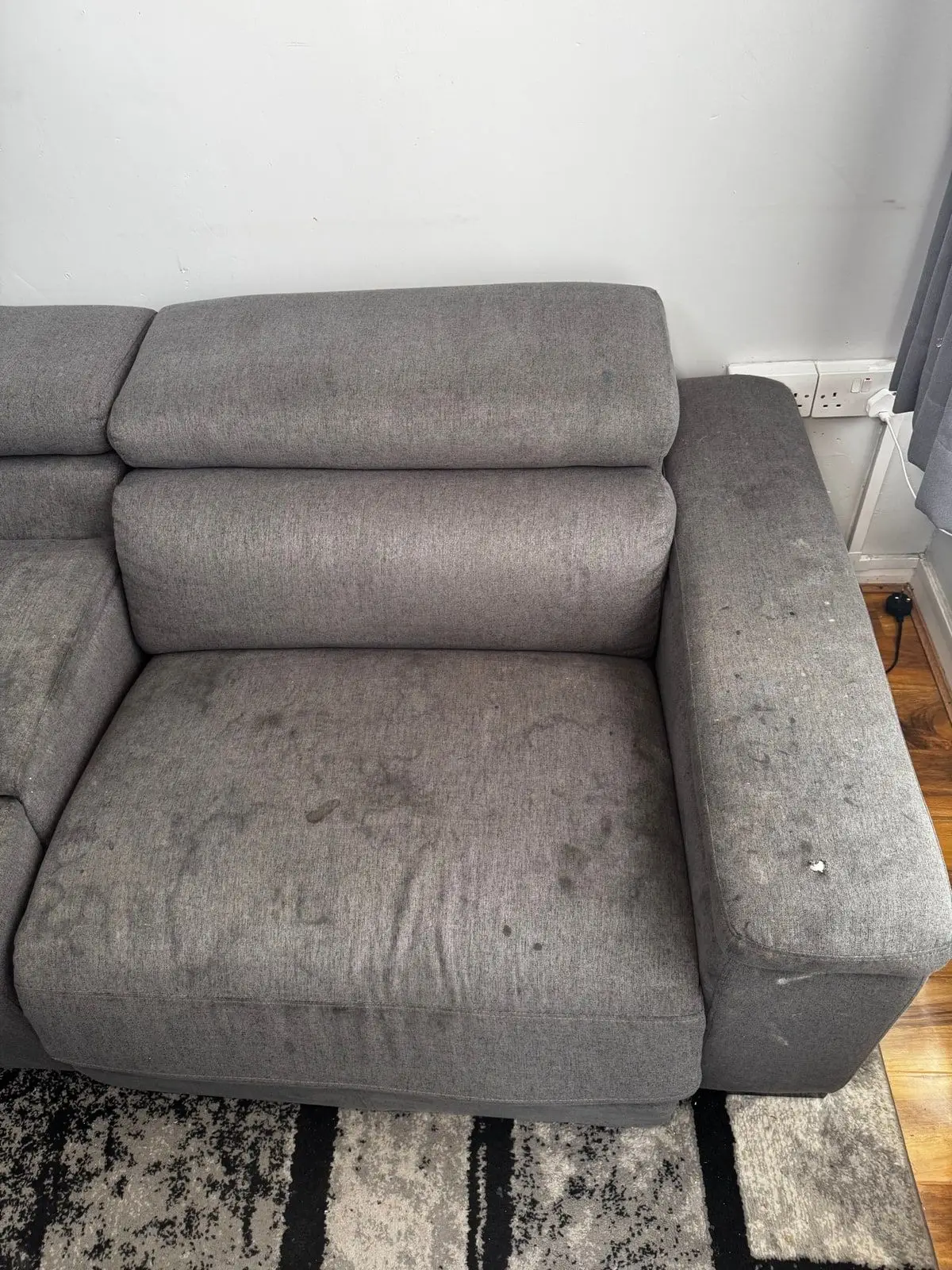 Before
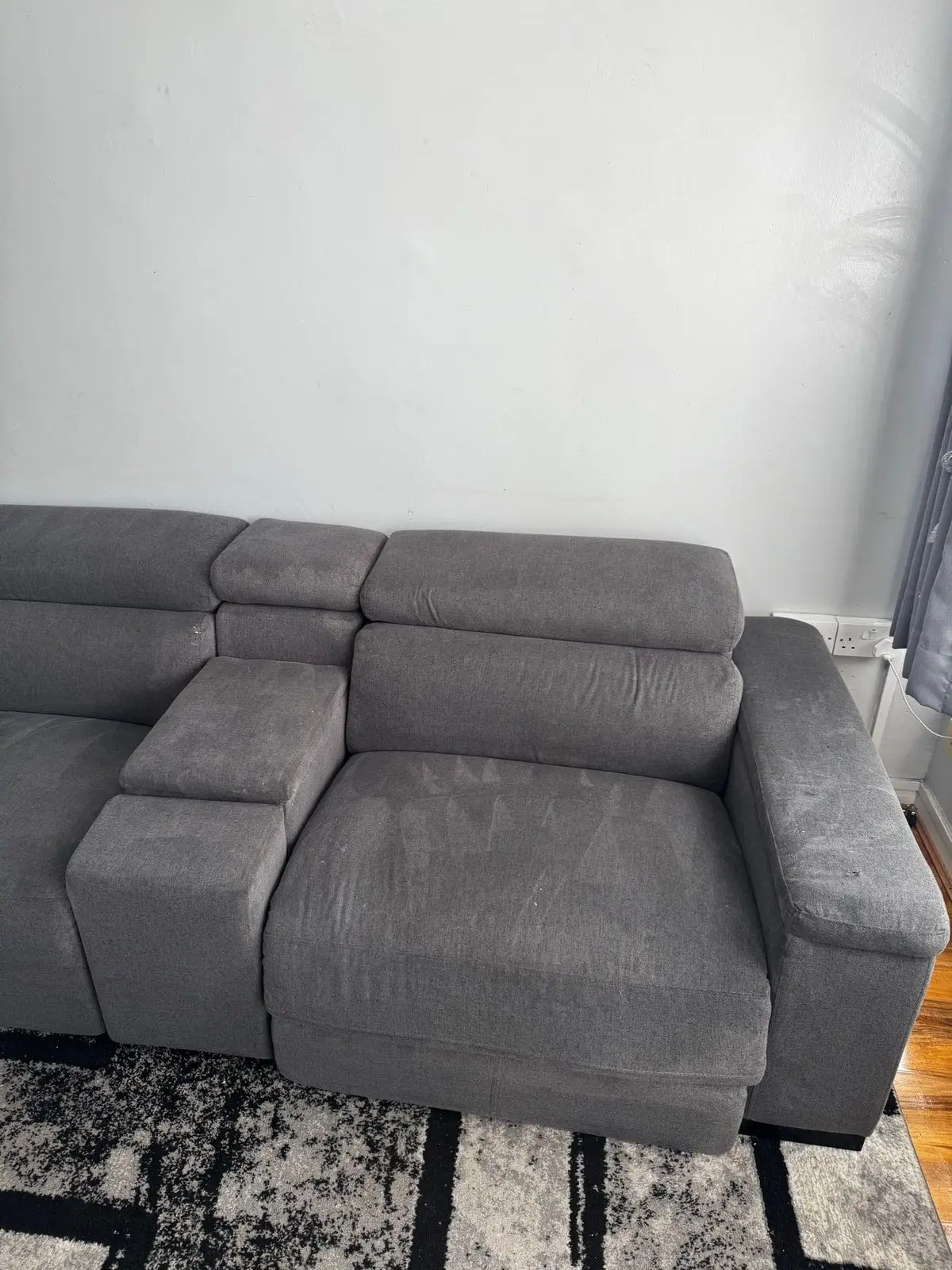 After
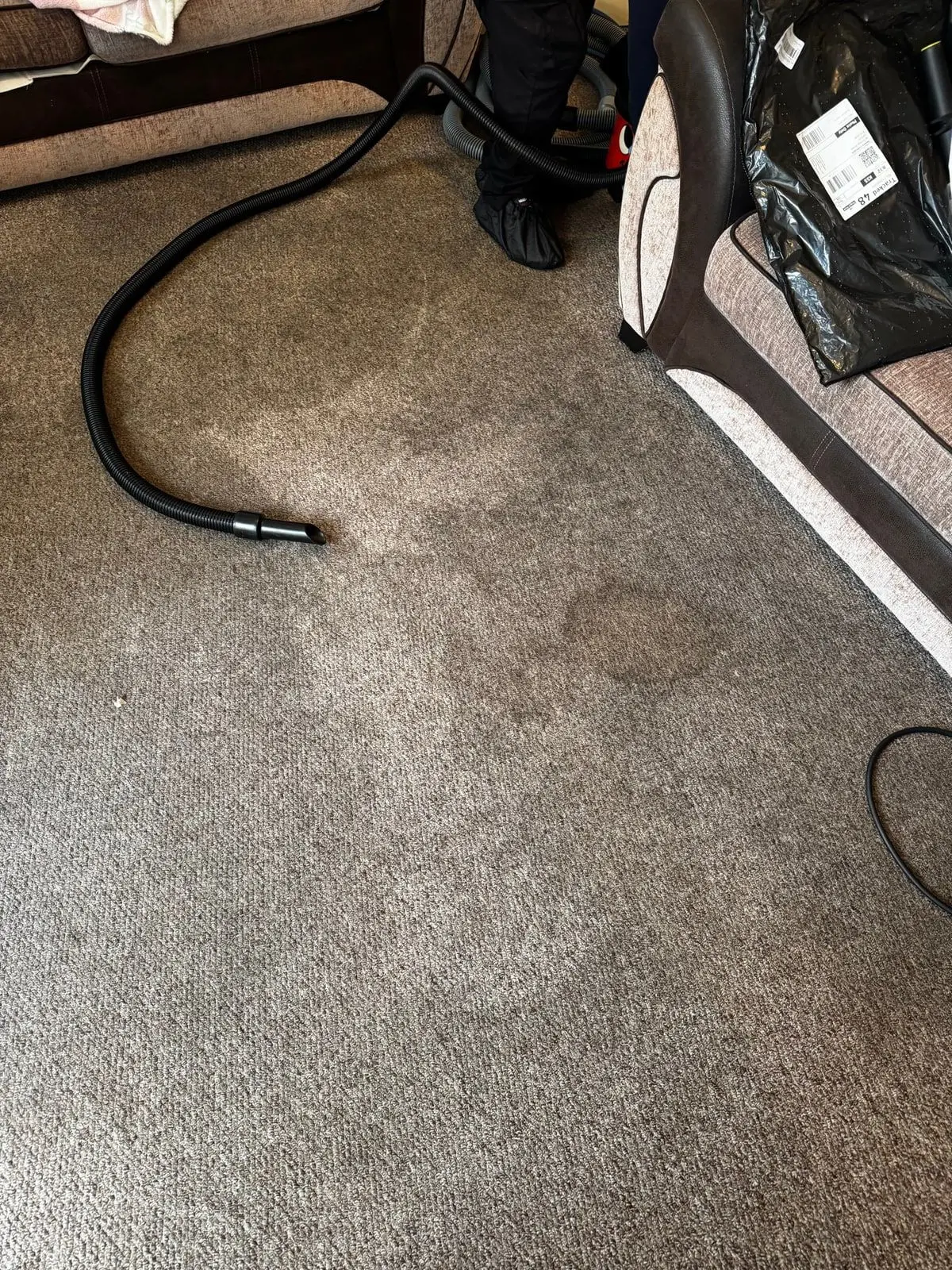 Before
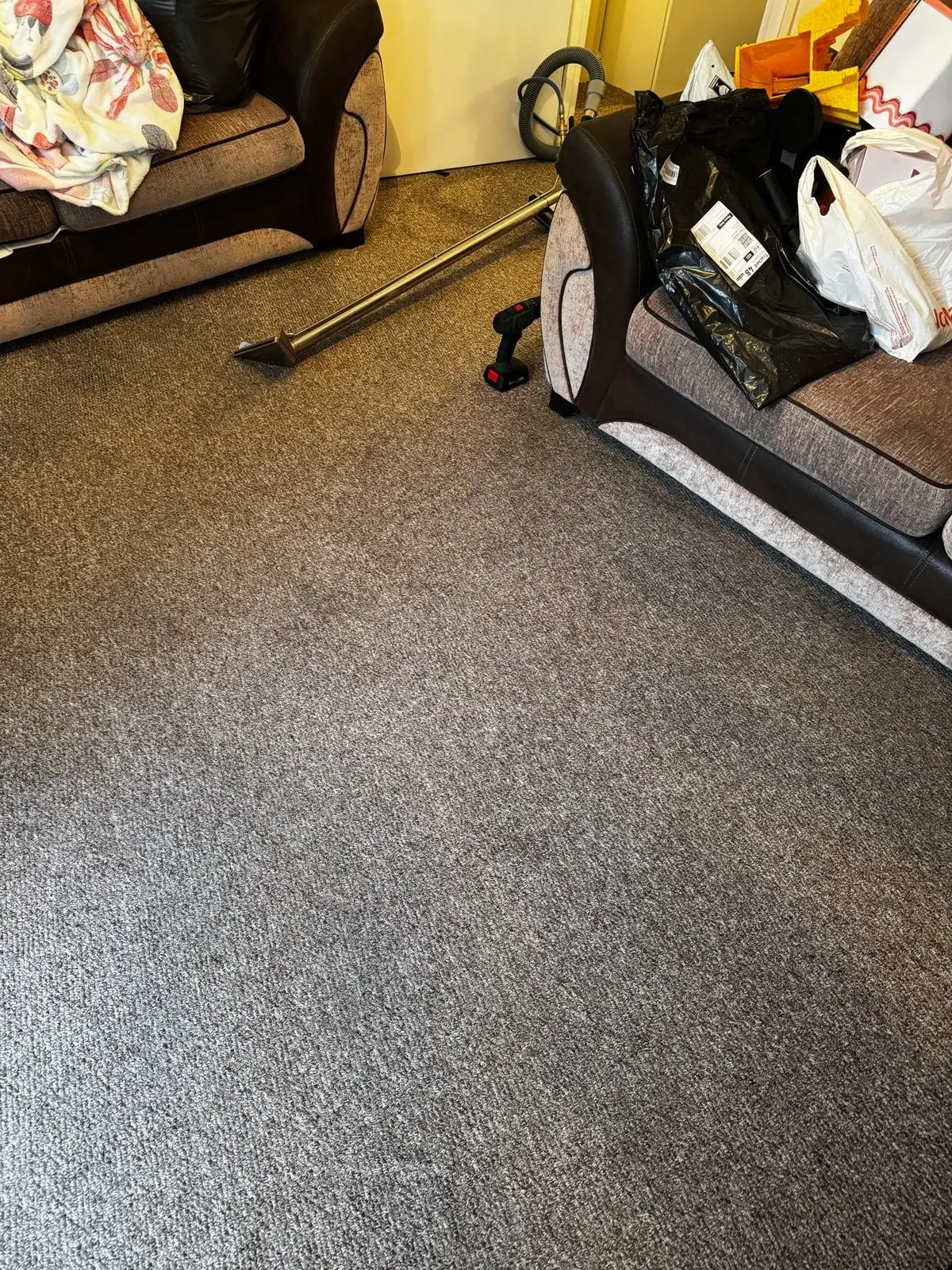 After
Standalone or inside a contract
- On its own
- Many clients start with the programme alone and add the daily contract later.
- Inside a contract
- The programme is scheduled from the monthly review notes. How a contract runs
- After a fit-out
- Fit-out dust settles deep in new carpet. A heated-extraction clean is part of our handover clean. Post-fit-out cleans
Questions about carpet and upholstery cleaning
How long do carpets take to dry?
It depends on the carpet, the room and the airflow. We schedule out of hours so the floor is dry before the office opens.
Can you remove odours?
Heated extraction lifts the soil that causes most carpet odours. Where the source is under the carpet, we tell you at the survey rather than clean over it.
Are there stains you cannot remove?
Yes. Bleach marks, some dyes and burns are permanent. We tell you which marks will not come out before we start, so there are no surprises.
How often should office carpets be cleaned?
Our 12-month programme cleans traffic lanes quarterly and the full floor annually. Reception and meeting rooms may need more. The survey sets the frequency.
What access do you need?
Out-of-hours access, a water supply and a parking space for the van. Keyholding and alarm procedures are agreed in writing.
Which upholstery fabrics can you clean?
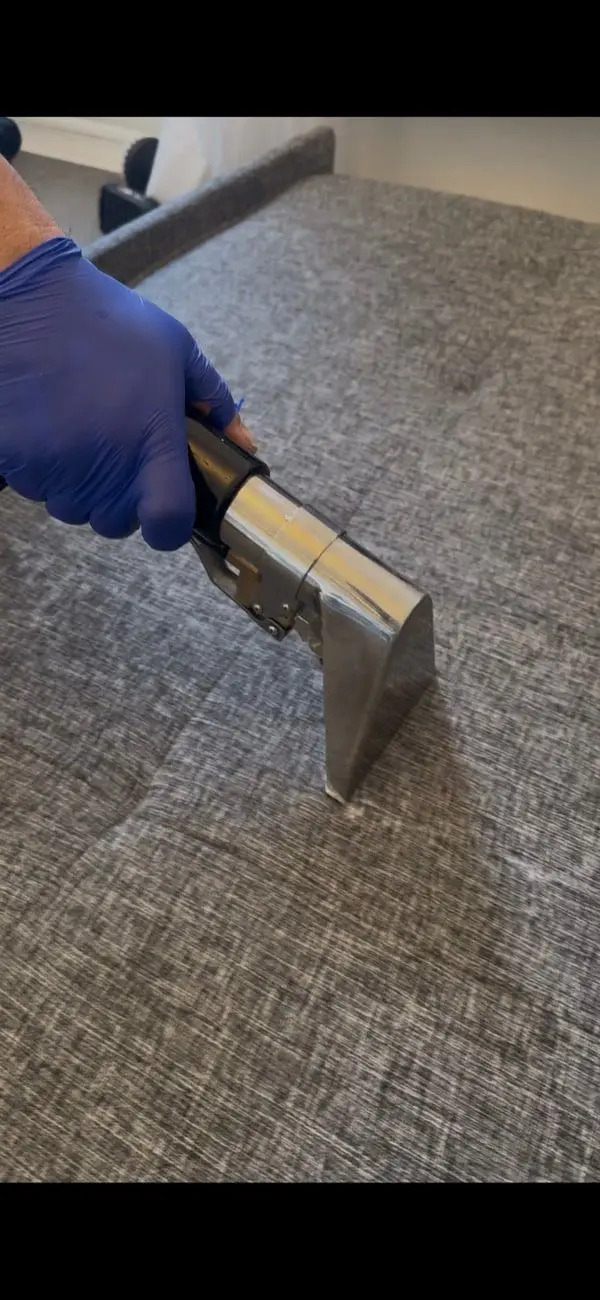
We check the fabric label and test an unseen area first. Some fabrics need a low-moisture method, and we tell you which before the work starts.
Book a survey of your carpets
The founder walks the floor with you and notes each area before writing the programme.
Or call 020 3905 1110, Monday to Saturday, 8am to 6pm.